Uncategorized

PURPOSE TEA

Purpose Tea™ – The Future of Everyday Wellness is Brewing

Coming Soon from Tribal Factory

Have you ever wondered why there are hundreds of teas on the market, yet most of them offer the same experience?

Some are made for taste. Some are made for refreshment. Some simply carry the label “herbal tea.”

At Tribal Factory, we believe tea can do much more.

We believe every cup should have a purpose.

That belief has inspired us to create something new—a category we call Purpose Tea™.


What is Purpose Tea?

Purpose Tea is not just another herbal tea.

It is a carefully crafted wellness tea designed for a specific moment in your day and a specific wellness goal.

Whether you’re starting your morning, supporting digestion after lunch, looking for natural energy, or winding down after a busy day, there is a tea created with that purpose in mind.

Instead of asking,

“Which herb should I drink today?”

You simply ask,

“What do I need today?”


Why We Started This Journey

Modern lifestyles have changed the way we live.

Busy schedules.
Fast food.
Stress.
Poor sleep.
Less time to care for ourselves.

Many people want healthier alternatives to sugary drinks, but choosing the right herbs or spices can be confusing.

That’s where Purpose Tea comes in.

Our mission is simple:

To make everyday wellness easy, enjoyable, and accessible—one cup at a time.


Powered by Nature. Guided by Science.

India has a rich heritage of using herbs and spices for daily wellness.

For generations, families have enjoyed ingredients such as:

  • Lakadong Turmeric
  • Ginger
  • Tulsi
  • Black Pepper
  • Bay Leaf
  • Cinnamon
  • Lemongrass
  • Moringa
  • Cardamom

At Tribal Factory, we respect this traditional wisdom.

But we also believe tradition should be supported by modern knowledge.

That’s why every Purpose Tea blend is being developed using:

  • Traditional herbal knowledge
  • Published scientific research on individual ingredients
  • Carefully selected ingredient combinations
  • Premium quality raw materials sourced from North East India

Our goal is to create teas that are not only enjoyable to drink but also thoughtfully formulated.


Introducing the Purpose Tea Collection

Our upcoming collection includes blends designed for different everyday wellness goals.

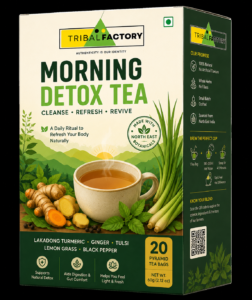
☀️ Morning Immunity Tea

A warming blend featuring Lakadong Turmeric, Ginger, Tulsi, Black Pepper, and Lemongrass to help you start your day naturally.


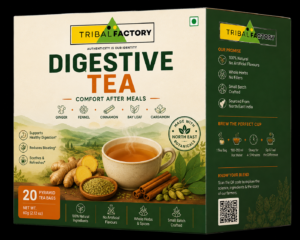
🌿 Digestive Tea

A comforting blend of Ginger, Fennel, Cinnamon, Bay Leaf, and Cardamom designed to enjoy after meals.


⚡ Energy Tea

A refreshing herbal blend crafted with Moringa, Ginger, Cinnamon, and Black Pepper for natural daily vitality.


🌙 Relax Tea

A soothing evening blend of Tulsi, Lemongrass, Cinnamon, and Bay Leaf to help you unwind.


🌬️ Respiratory Comfort Tea

A warm herbal infusion featuring Tulsi, Ginger, Clove, Cinnamon, and Black Pepper for everyday respiratory wellness.


❄️ Winter Wellness Tea

A rich spice blend made with Ginger, Clove, Cinnamon, and Black Pepper—perfect for chilly mornings and evenings.
purpose tea


More Than Tea Bags

Every Purpose Tea bag contains carefully selected herbs and spices.

No unnecessary fillers.

No artificial colours.

No artificial flavours.

No compromise on authenticity.

Each cup is crafted to deliver a premium herbal tea experience with real ingredients.


From North East India to Your Cup

Every Purpose Tea begins at the source.

We work with farmers across the hills and valleys of North East India to bring you authentic herbs and spices known for their quality and freshness.

By choosing Tribal Factory, you are not only choosing a wellness product—you are supporting rural farming communities and sustainable sourcing.
digestive tea


Transparency Matters

We believe customers deserve to know what they are drinking.

That’s why every Purpose Tea pack will include:

  • Complete ingredient information
  • Brewing instructions
  • Origin of key ingredients
  • QR code to learn about our farmers
  • Educational information about the selected botanicals

Because informed choices build lasting trust.


This is Only the Beginning

Purpose Tea is more than a product launch.

It is our vision to redefine the way people think about tea.

Not as a routine beverage.

But as a meaningful daily ritual.

A cup with intention.

A cup with authenticity.

A cup with purpose.


Coming Soon

Our first collection of Tribal Factory Purpose Tea™ is currently under development.

Each blend is being carefully refined to deliver great taste, premium quality, and thoughtfully selected ingredients inspired by traditional knowledge and informed by scientific research.

We can’t wait to share this journey with you.

Because every day has a purpose.

Every purpose deserves a perfect cup.
Tribal Factory Purpose Tea™

Brew with Purpose. Live with Purpose.

Stories

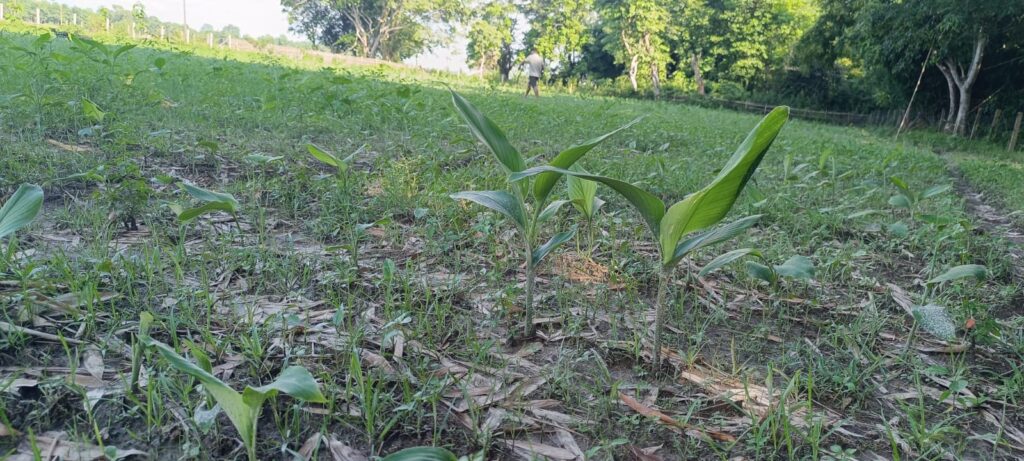
OUR TURMERIC FARMING

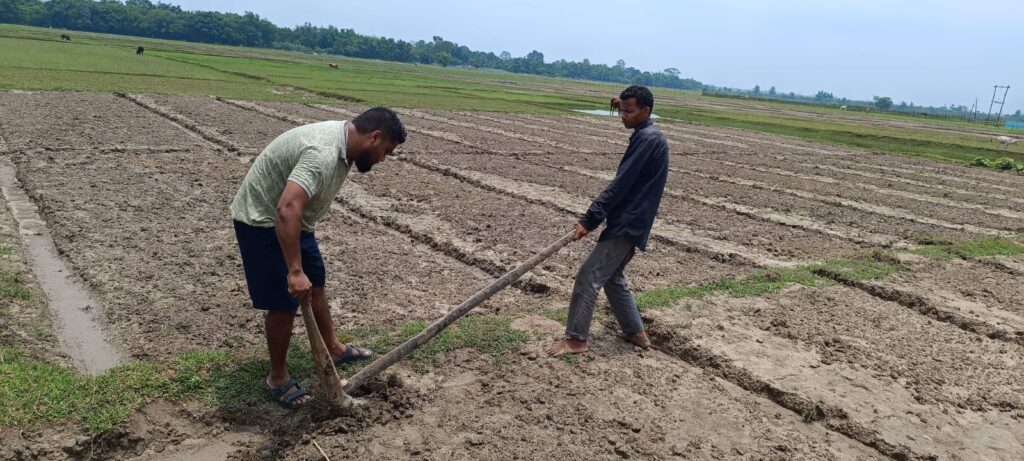
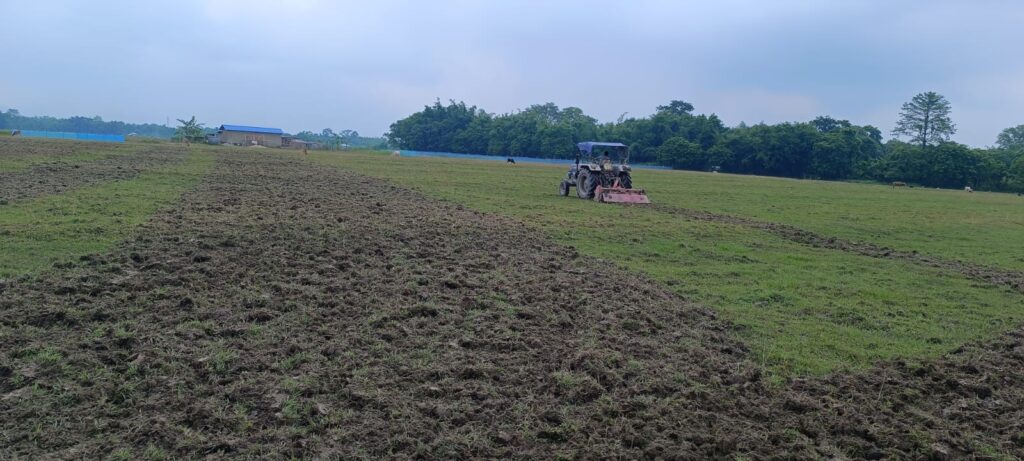
LAND PREPARATION FOR TURMERIC FARMING
TURMERIC FARMING IN TAMULPUR, ASSAM

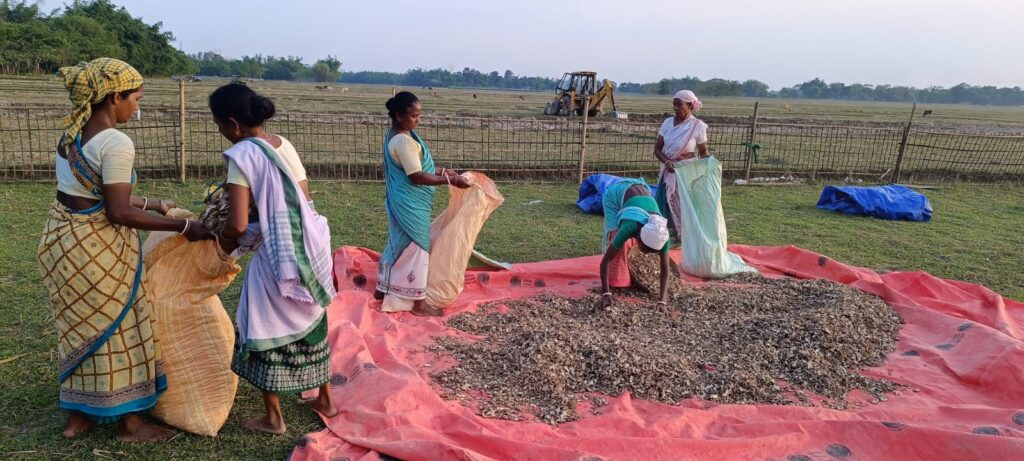
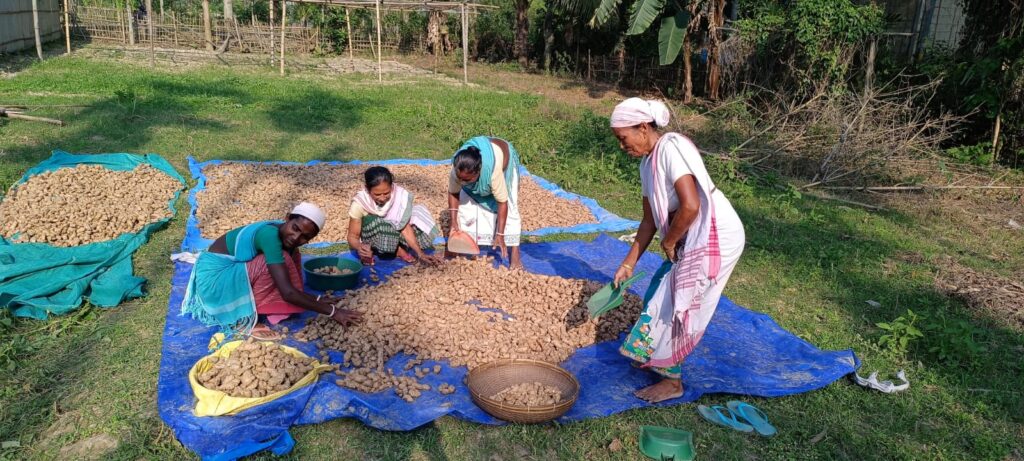
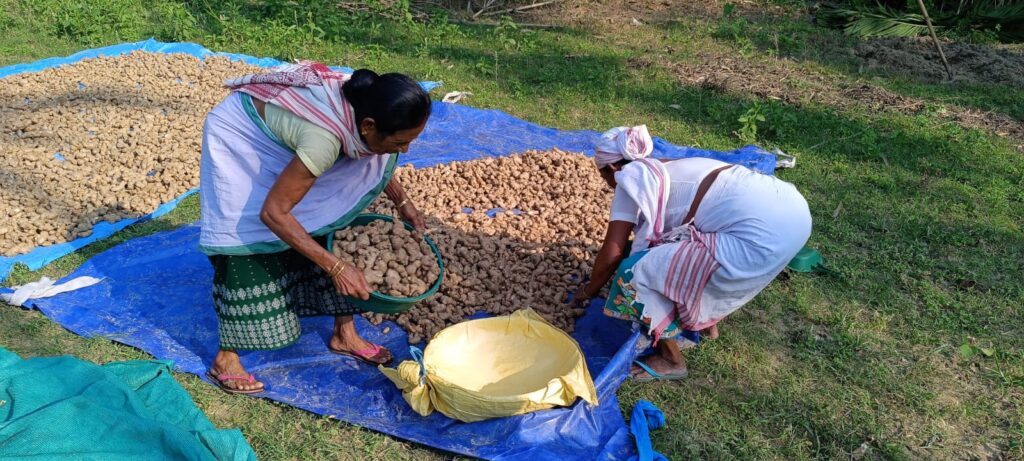
OUR WOMEN-LED GINGER PROCESSING

womens engaging in ginger dry process

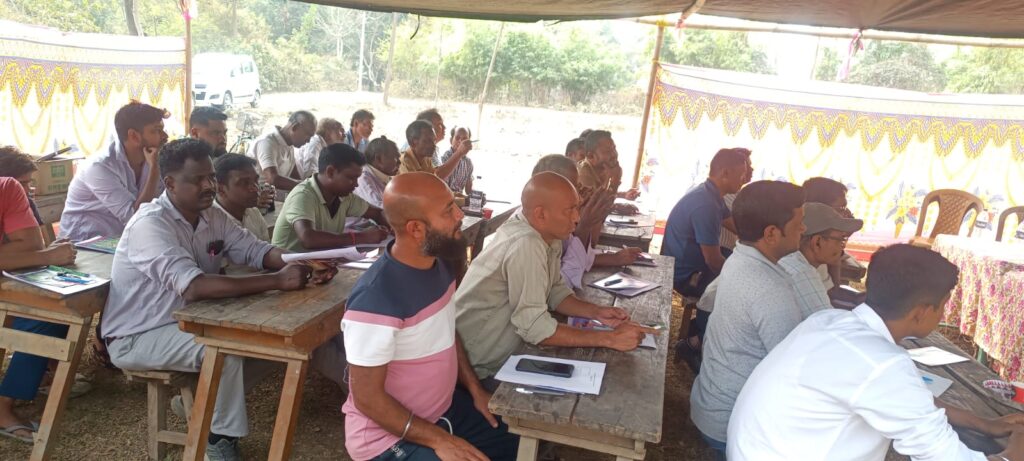
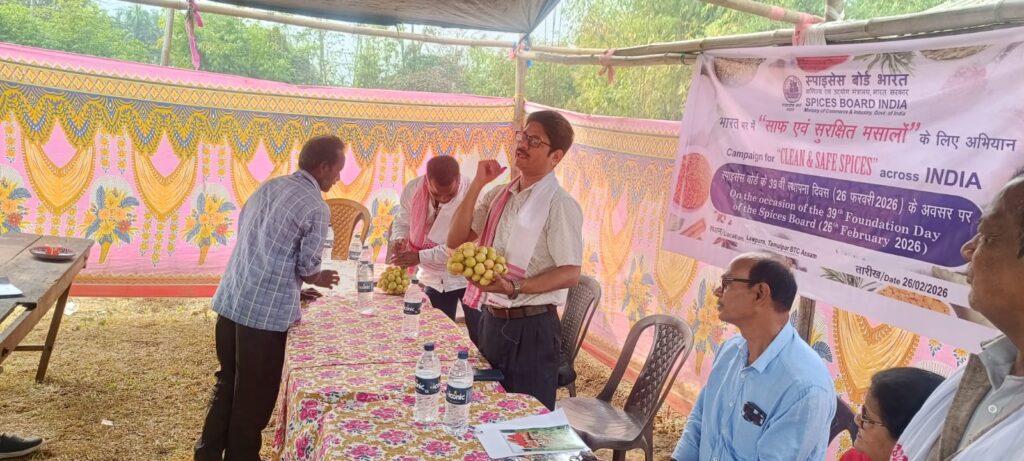
FARMERS TRAINING PROGRAME

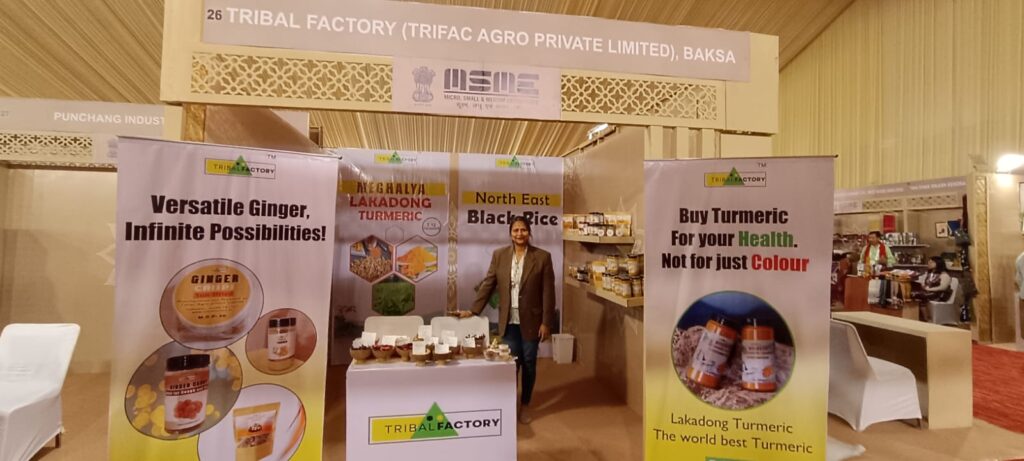
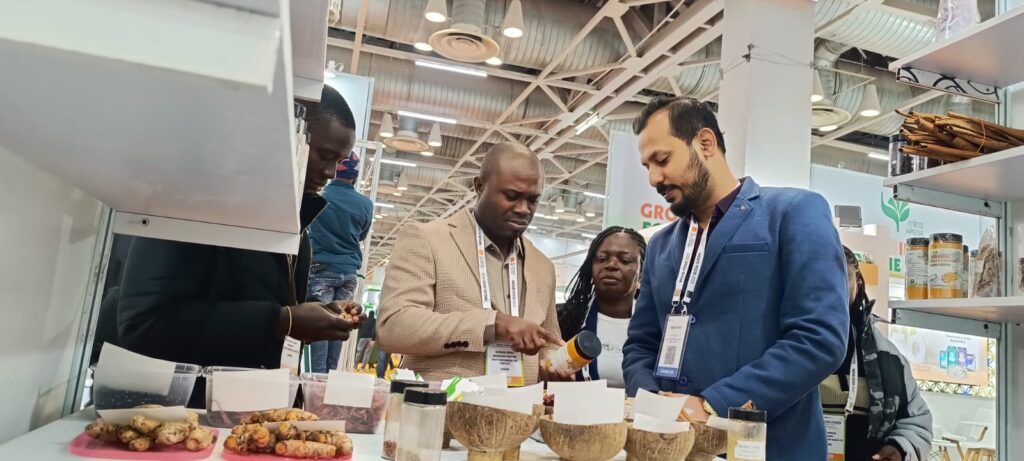
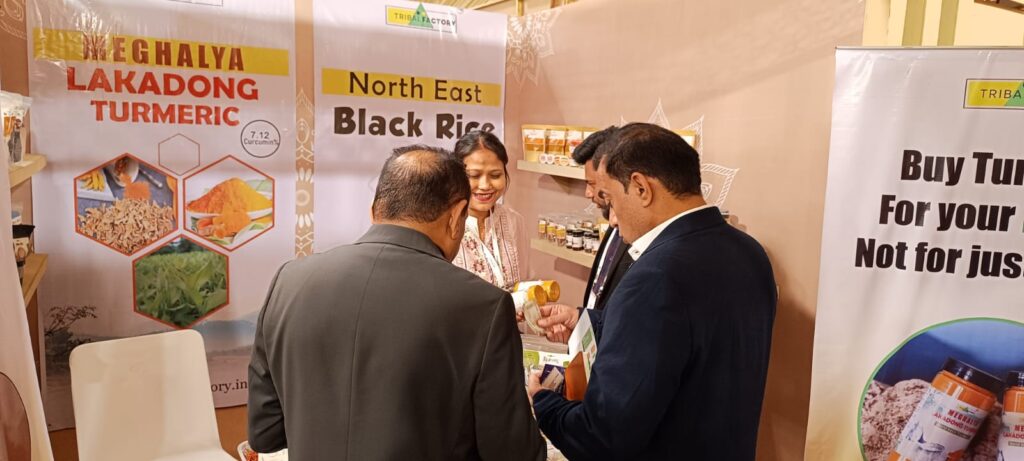
WE ARE AT DIFFERENT INTERNATIONAL EXPO

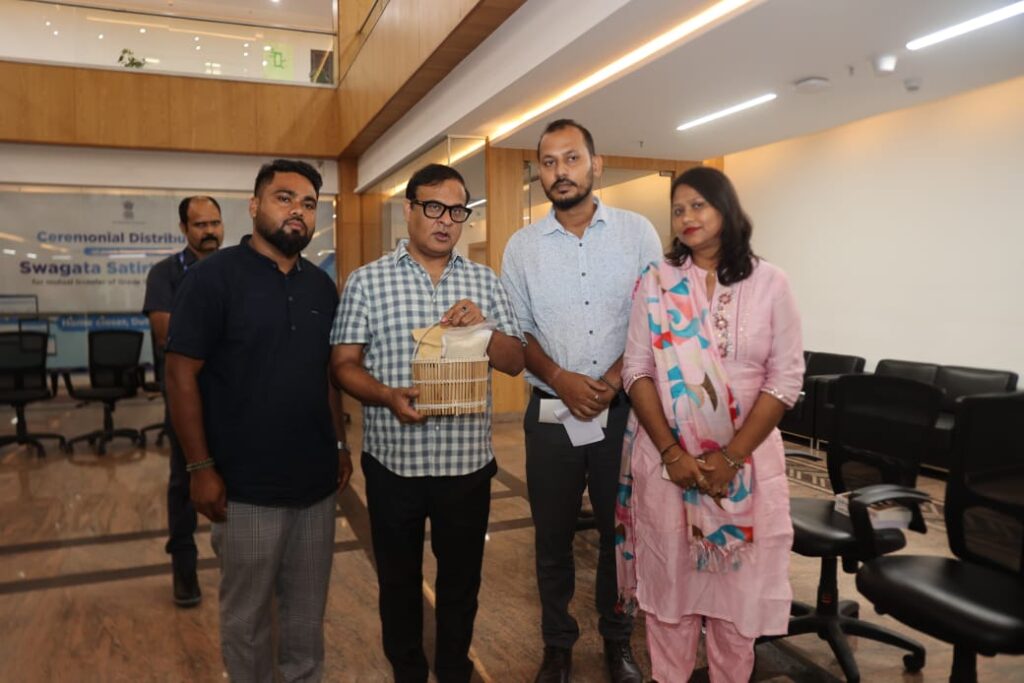
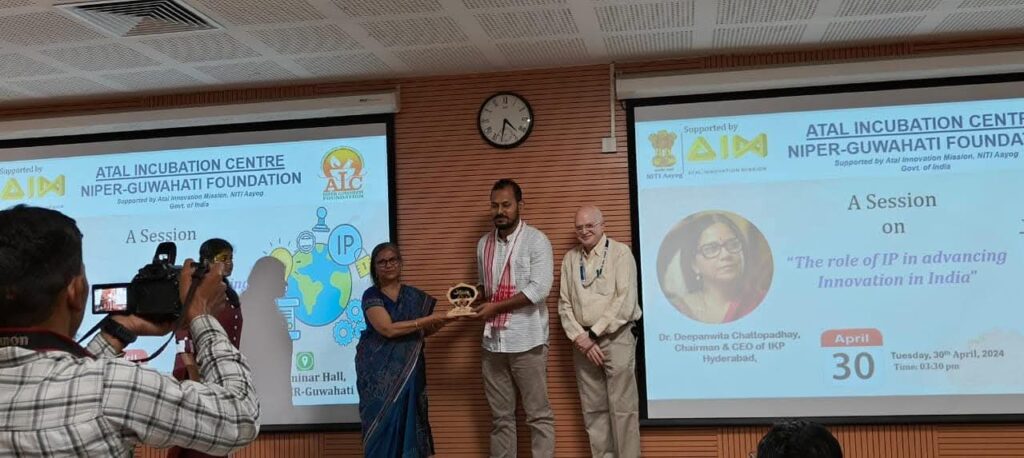
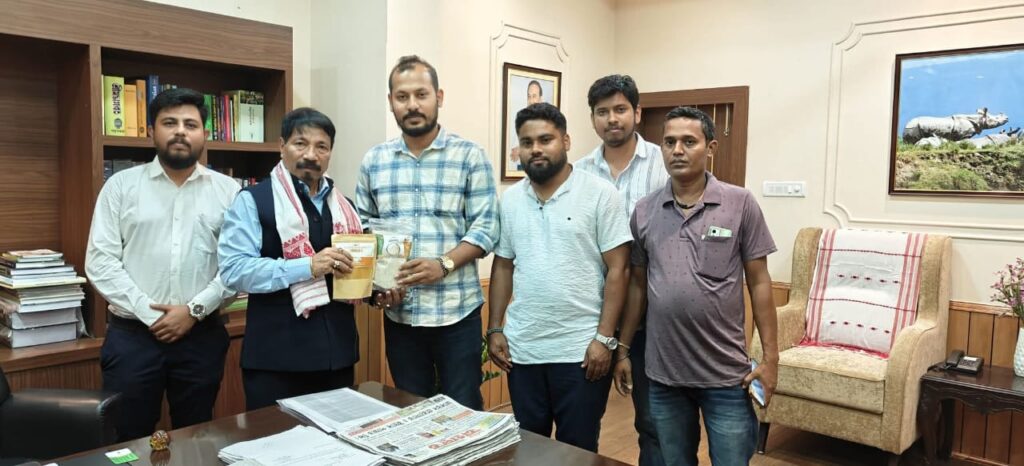
AWARDS AND MEETINGS WITH DELEGATES

Tribes of Assam | Discover Everything There Is to Know About Assamese Tribes

Assam is a northeastern state of India known for its rich cultural heritage and diverse ethnic groups. The state is home to numerous indigenous tribes who have been living here for centuries and have their unique customs, traditions, and way of life. These tribes are an integral part of the Assamese society and play a significant role in preserving the cultural diversity of the state. In this blog, we will take a look at some of the most prominent tribes of Assam.

Tribe types in Assam:

Karbi tribe:

Karbis are thought to have a Mongoloid racial background. Also said to have migrated during the initial wave was central Asia. Based on their environment, they are separated into three groups: Amri, Chinthong, and Ranghang. The Karbi are animists by nature, although they have recently begun to practise some aspects of Hinduism, a small amount of Christianity, and Vaishnavism. The two Karbi tribe festivals of agricultural significance are Rongker and Hacha Kekar. Everyone appreciates the feasts and dance performances that mark these celebrations.

Photo source : Facebook

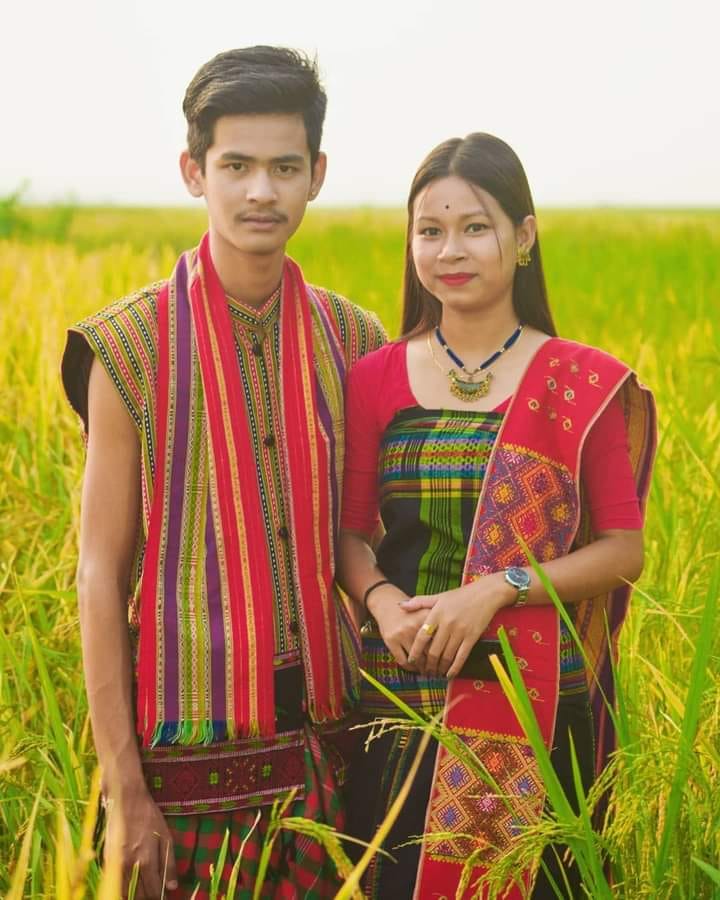
Bodo tribe:

In India’s Assam state, the Boro are the largest ethnolinguistic community. They are dispersed throughout northeastern India and are a member of the larger Bodo-Kachari family of ethnolinguistic tribes. Boros live in all of Assam’s districts, however they are primarily concentrated in the Bodoland autonomous area. The Boro language, one of the twenty-two languages listed in the Indian Constitution, is a Boro-Garo language of the Tibeto-Burman family that is spoken by the Boros. additionally speaking Assamese as a second language, nearly two thirds of the population is multilingual. The Boro and other related Bodo-Kachari peoples are thought to have moved at least 3000 years ago, along with other cognate groups.

The Bodo-Kachari were also among the first people in Assam to raise silkworms and manufacture silk, and they were regarded as being experts in rice cultivation at the time. The Sixth Schedule of the Indian Constitution recognizes the Boro as a plains tribe, and the Bodo Territorial Region, an independent region, grants them unique authority. Assam’s Bodo Tribal Community is thought to have been the state’s first immigrants. & is particularly significant to the state.

Photo courtesy: Facebook

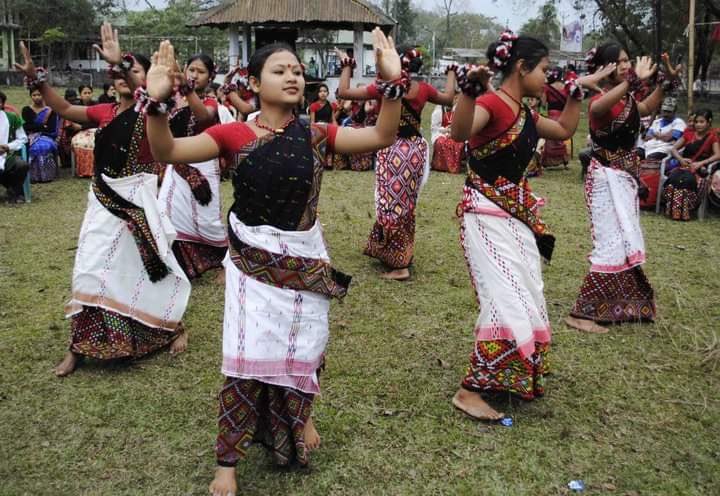
Rabha Tribe:

An indigenous Tibeto-Burman group known as Rabha, also known as Rava found in the Indian states of Assam, Meghalaya, and West Bengal.The majority of the Rabha people speak Rabha, a Tibeto-Burman language, together with Assamese. The Rabhas are primarily found in the Assam districts of Goalpara, Kamrup, Kokrajhar, Udalguri, and Baksa, as well as in a few locations in Bongaigaon, Chirang, Sonitpur, and Karbi Anglong. One of Assam’s most significant and noteworthy plain Tribes is the Rabhas. The Rabha community has a thriving, complex, and unique culture all its own. The Rabhas’ agricultural methods, eating habits, and worldview are a synthesis of elements from both Aryan and Mongoloid cultures. Agriculture is the main industry in the village, and both men and women work in the fields. The women adore wearing bright, hand-woven clothing, and they frequently accessorise with silver and beads. The Rabhas observe Farkanti in honour of their clan’s deceased monarchs in addition to their three main festivals. Men and women both sing and dance at the numerous festivals to regional instruments like the karra, flute, and singa. The primary food consumed by the Rabhas, who are vegetarians, is rice.

Photo courtesy: Facebook

Misings Tribe:

The Misings tribe is one of the largest and most influential tribes of Assam and is known for their rich cultural heritage. They are indigenous to the Brahmaputra valley and have their own language, Mishing, which is a dialect of Assamese. The Misings tribe is known for its traditional festivals such as Ali Aye Ligang and Diphu dance. They are also skilled farmers and engage in various agricultural activities.

photo courtesy: Facebook

Deori Tribe:

The Deori tribe is indigenous to the Tinsukia district of Assam and is known for its rich cultural heritage and traditional festivals. The Deori tribe is known for its traditional dances such as Deori Bihu and Baghmon, which are performed during the Bihu festival. They are also skilled farmers and engage in various agricultural activities such as paddy cultivation, vegetable farming, and horticulture.

Photo courtesy: Facebook

Tiwa Tribe:

The Tiwa tribe is a prominent ethnic group residing in the northeastern Indian state of Assam. They are known for their rich cultural heritage, unique traditions, and a strong sense of community. Tiwas are considered to be one of the indigenous tribes of Assam, with a population of around 250,000 people. They have a long history and are believed to have descended from the early migrants who entered the region thousands of years ago.The Tiwas have a rich cultural heritage, which is evident in their traditional dances, music, and festivals. Their most famous dance form is the Bihu dance, which is performed during the Bihu festival, a springtime celebration that marks the arrival of the new harvest. They also have a rich musical tradition and are well known for their use of the flute and drum.

Photo courtesy: Facebook

Tea Tribes :

Assam, the northeastern state of India, is known for its tea gardens, which produce some of the finest teas in the world. The tea gardens are located in the rolling hills of Assam and are spread over thousands of hectares of land. But what makes Assam tea so special is the tea tribes who work in the tea gardens.

The tea tribes of Assam are the indigenous people who have lived in the region for generations and have been working in the tea gardens for centuries. They are known for their hard work, dedication, and love for tea. They are an integral part of the tea-making process and contribute to the quality and taste of Assam tea.The tea tribes are known for their unique culture, language, and traditions. They have their own way of life, which is different from the mainstream society. They celebrate their festivals with great zeal and enthusiasm and have a strong bond with nature and the land.he tea tribes are an important part of Assam’s history and heritage. They have faced many challenges and hardships in the past, but they have always persevered and continued to work in the tea gardens. They have a deep appreciation for the tea gardens, which provide them with livelihoods and a sense of belonging.

In conclusion, the tribes of Assam play a significant role in preserving the cultural diversity of the state and are an integral part of its rich cultural heritage. These tribes have their unique customs, traditions, and way of life that make them an important part of the Assamese society. So, the next time you visit Assam, make sure to experience the vibrant and rich culture of these tribes.

Shopping Cart
Select your currency
INR Indian rupee
× How can I help you?